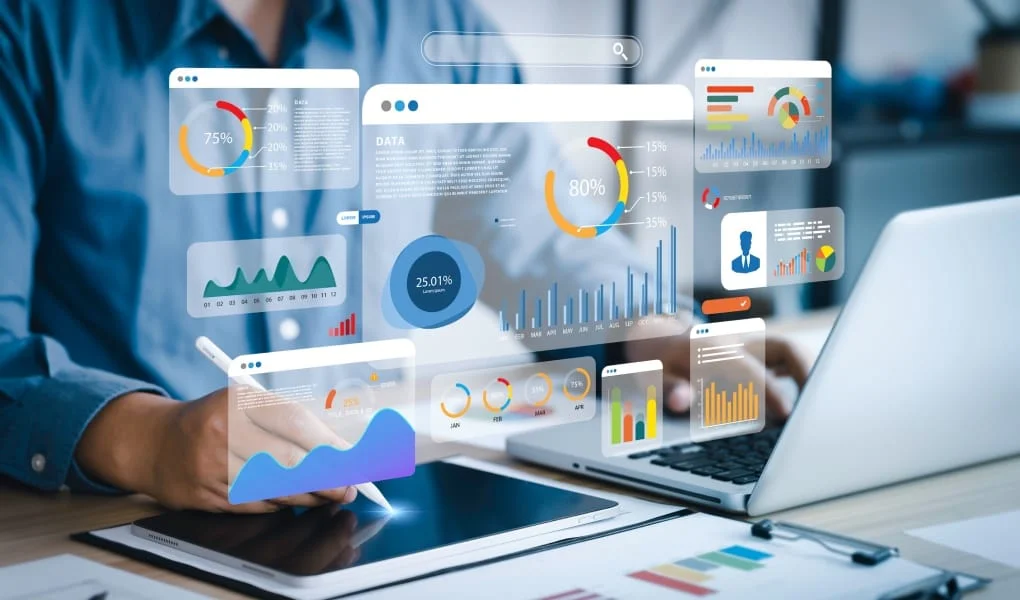
Most small and mid-sized businesses already have more data than they use. It sits in the accounting system, the CRM, the help desk, the phone system, and a dozen spreadsheets. Analyzing that raw data is how you find out which customers are profitable, where money is leaking, and which problems keep coming back.
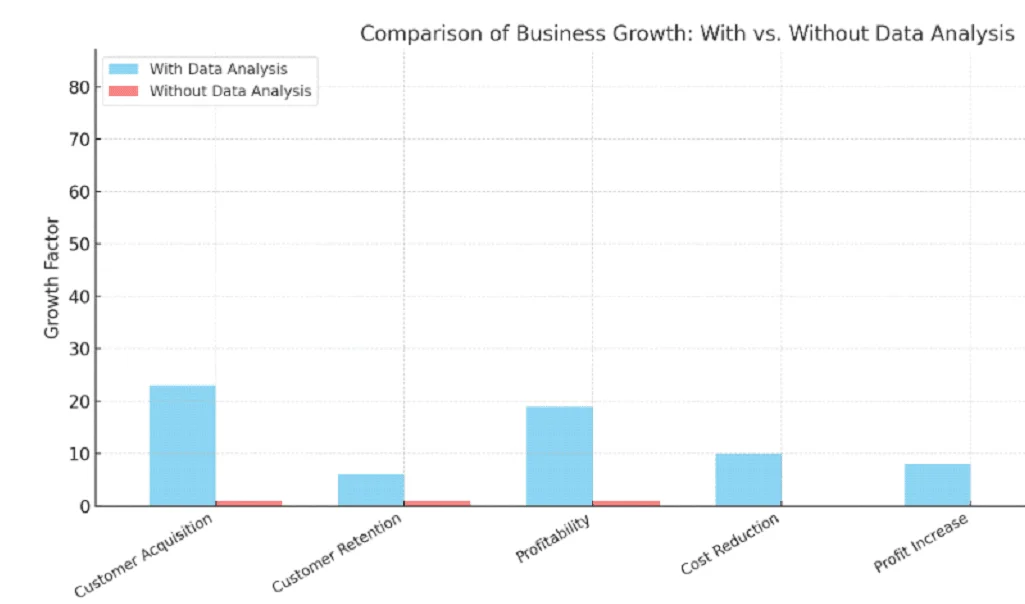
The chart above compares companies that use data analysis with those that don't, across customer acquisition, retention, profitability, cost reduction, profit increase, and competitive edge. The gap is widest on acquisition and competitive edge.
Spending reflects that. The global big data and business analytics market is projected to reach $924.39 billion by 2032, growing at a 13% CAGR from $307.51 billion in 2023.
You don't need a data science team to get value from this. Good business reporting comes down to having the right numbers in one place and looking at them regularly. Companies that do this tend to spot problems earlier and spend with more confidence.
For 2026 planning, the useful question isn't whether to "do analytics." It's which decisions you're currently making on gut feel that you could make with numbers instead.
Business Analytics vs. Data Analytics

The two terms get used interchangeably, but they answer different questions.
Business analytics looks forward. It's about:
- strategy and
- long-term planning.
- It uses data to forecast trends that will affect the company and inform big decisions.
A business analyst might look at past sales, customer feedback, and market trends to predict demand for a product next year, which tells you how much inventory to carry and where to expand.
Data analytics has a broader scope and a shorter time horizon. It covers:
- Cleaning, transforming, and visualizing data.
- Finding patterns in data for any part of the business.
A data analyst might look at this month's customer data, notice that buying behavior has shifted, and flag it so marketing can adjust this week.
The methods differ too. Business reporting analytics leans on forecasting models and statistics, while data analytics tends to focus on current numbers and clear charts. This distinction matters when you decide who should own which reports.
In practice, business analytics feeds decisions at the leadership level, and data analytics feeds the day-to-day adjustments managers make. Most growing companies need a bit of both, and a data strategy that says who looks at what, and how often.
10 Ways Better Data Helps a Business in 2026

The analytics work that pays off is the work tied to a real decision about customers, operations, risk, or money. Here are ten places where that tends to happen.
1. Faster, Better Decisions
Modern reporting tools can show you what's happening close to real time, which changes how decisions get made. Instead of waiting for month-end, you can see a drop in sales or a spike in support calls while there's still time to do something about it.
2. Smoother Operations
Historical data shows you where work gets stuck. Predictive analytics and automation can take a lot of the manual effort out of reporting and point to bottlenecks before they cause delays. A manufacturer, for example, can use equipment data to schedule maintenance before a machine fails in the middle of a production run.
3. Knowing Your Customers
When sales, support, marketing, and service data sit together, you get a much clearer picture of what customers need. You can see which accounts are at risk of leaving, which ones are worth more attention, and where the customer experience breaks down.
4. Spotting Risk Early
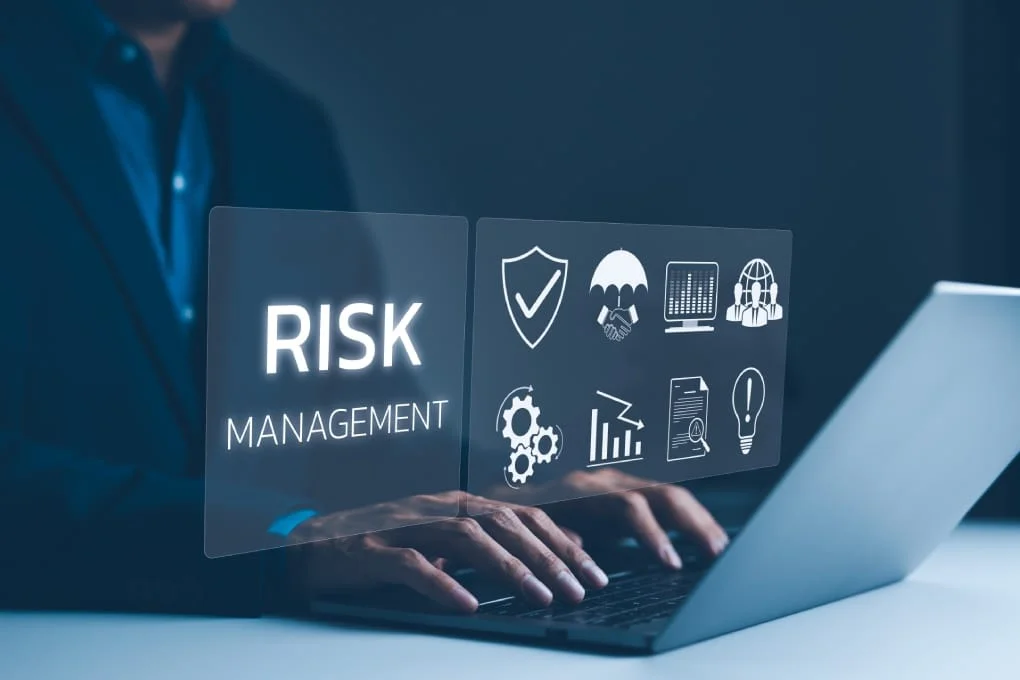
Data from different parts of the business can surface risks before they turn into problems: a key customer ordering less, costs creeping up with one supplier, or a regulatory change that will affect how you store records. The earlier you see it, the cheaper it is to deal with.
5. Better Products and Services
Data can guide what you build or offer next. Support tickets, sales conversations, and customer feedback often point straight at unmet needs. Companies that pay attention to that tend to launch things people actually want.
6. Sharper Marketing and Sales
Customer data lets you target marketing and sales efforts at the people most likely to buy, test pricing, and see which campaigns actually bring in revenue. Data analytics has a clear track record here: 73% of companies report measurable value from their major data initiatives.
7. Tighter Inventory and Supply Chain
Real-time data helps businesses keep the right amount of stock on hand. More companies now use demand forecasting to avoid running out of popular items without tying up cash in inventory that sits on shelves.
8. Clearer Financial Planning
Good historical data makes budgets and forecasts more accurate. You can see where money actually went last year, which investments paid off, and where the next dollar is most likely to do some good.
9. Hiring and Keeping People
People analytics can inform hiring and retention. Patterns in turnover, time-to-hire, and performance can show you which roles are hard to fill, which teams are losing people, and where training would help.
10. Staying Ahead of Competitors
Companies that use their data well see market changes sooner and react faster. The biggest returns come when reporting is tied to specific decisions. A dashboard nobody acts on is just decoration.
None of this requires a massive investment to start. It requires deciding which questions matter most to your business and making sure the data to answer them is accurate, connected, and easy to find.
Getting Started

The hard parts of data analytics are usually practical: data spread across systems that don't talk to each other, privacy rules about what you can keep, and nobody with time to build the reports. An experienced IT service provider can connect the systems, clean up the data, and set up reports that people will actually read.
Companies that sort this out are better placed to spot opportunities and react when the market shifts.
If your numbers live in five different places and nobody trusts any of them, talk to Spot On Tech. We help businesses connect their systems and set up plain-English business reporting that shows where things stand. See all of our IT services.