What we handle
- VoIP provider evaluation and planning
- User, extension, and call flow configuration
- Number porting and implementation support
- Coordination with network and internet needs
Modern communication
Business VoIP provider selection, implementation, and support for office, remote, and multi-location teams.
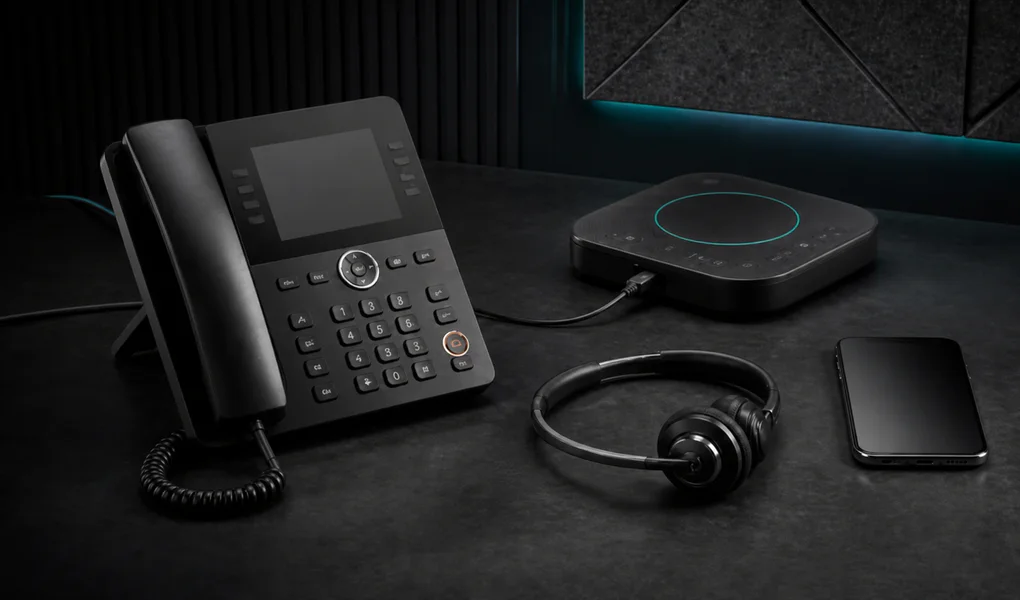
How we help
Your phone system should be easy for staff and simple for customers. We help compare VoIP providers, plan the call flow, coordinate number porting, configure users, and support the network pieces that keep calls reliable.
What we handle
What improves
More detail
A business phone system affects customers, staff, scheduling, sales, and daily operations. When call routing is unclear or support is split between phone, internet, and network vendors, small issues can quickly become frustrating for everyone involved.
Spot On Tech helps businesses choose and implement VoIP phone systems as part of the full technology environment. We review providers, main numbers, call queues, auto attendants, extensions, remote users, office phones, voicemail, business text messaging, internet quality, and the network pieces that keep calls reliable. The result is a phone setup that is easier to use, easier to support, and easier to change as the business grows.
We help compare VoIP providers against call quality, features, integrations, support, number porting, remote work, and total operating needs.
We help map numbers, extensions, users, devices, greetings, call queues, voicemail, after-hours rules, and cutover timing so migration is less disruptive.
Call quality depends on internet, cabling, network equipment, and support. We help connect those pieces instead of treating phones as a separate problem.
The old page emphasized reliable connections, clear calls, advanced features, and integration across devices. Those are the right goals, but provider selection should start with how the business actually communicates. A modern VoIP phone system should support how your team answers, routes, transfers, records, texts, and follows up on calls.
Spot On Tech helps New York and New Jersey businesses compare VoIP providers around real workflows. We look at main numbers, departments, extensions, voicemail, remote users, mobile access, call routing, internet quality, integrations, support expectations, and the network requirements behind reliable calling.
Phone issues are often treated as a separate vendor problem, but call quality depends on internet service, switches, cabling, user devices, router settings, provider configuration, and support processes. When those pieces are not coordinated, staff lose time and customers feel the impact.
We can support new VoIP implementations and existing VoIP providers. That includes number porting, adding users, adjusting call flows, reviewing device setup, helping remote staff, and coordinating with the internet or phone provider when the problem crosses vendor lines.
VoIP systems can make it easier to add users, support multiple locations, enable remote work, and improve customer communication with features like auto attendants, voicemail-to-email, call forwarding, and softphones.
The key is planning the system so it stays simple to use. Spot On Tech helps keep the phone system connected to the rest of the technology plan, which makes future changes easier to manage.
Our approach
Map current numbers, call flow, users, locations, and provider issues.
Choose and implement a VoIP setup that fits real daily use.
Support changes, users, and issues as the business grows.
FAQs
VoIP, or Voice over Internet Protocol, sends voice calls over an internet connection instead of traditional phone lines. It converts voice into digital data that moves across IP networks.
Some businesses use dedicated VoIP desk phones, while others use softphones on computers or mobile devices. Existing analog phones may sometimes be adapted, depending on the setup and provider.
VoIP can be reliable when internet service, network equipment, cabling, provider configuration, and support are planned correctly. Those pieces are why VoIP should be reviewed as part of the full technology environment.
In many cases, yes. VoIP providers often support number porting, which lets a business move an existing number into the new phone system while maintaining customer continuity.
VoIP calls can be protected with the right provider settings, encryption options, secure remote access, strong account protection, and network controls. Security should be part of the phone system plan.
Many VoIP systems can integrate with CRM tools, email, collaboration platforms, call analytics, and customer support workflows. Integration planning depends on the tools the business already uses.
From the blog

Compare VoIP providers for New Jersey businesses and plan call routing, number porting, remote users, security, and implementation.

Learn how VoIP phone systems improve customer service with smarter routing, shared visibility, mobility, reporting, and reliable call handling.

Learn how branded caller ID can improve answer rates, build trust, reduce number confusion, and support a more professional business calling strategy.
Ready to simplify this?
We will help you understand what needs attention, what can be consolidated, and how this service fits into your larger technology plan.
Start the Conversation