
Every computer, phone, camera, and printer in your office depends on the network, and the network depends on the cables. When they're a mess, you get slow connections, dropouts nobody can explain, and repairs that take far longer than they should. That's why infrastructure wiring deserves more attention than it usually gets.
Understanding Structured Wiring
Structured wiring, or structured cabling, is the organized, standardized system of cables and connectivity hardware that forms the physical backbone of a business’s network infrastructure. It connects everything in the building: computers, printers, phones, security cameras, wireless access points, and smart devices.
This organized network infrastructure is what everything else in the office runs on.
The alternative, point-to-point cabling, gets added one cable at a time whenever someone needs a connection, and it quickly turns into a tangle. Structured cabling is planned up front and built to be extended. It consists of multiple subsystems, including:
- Entrance facilities: Where external service provider cables enter the building.
- Equipment room: The central hub housing networking hardware such as routers, servers, and switches.
- Backbone cabling: Connecting various equipment rooms, telecommunication closets, and buildings within a campus.
- Horizontal cabling: Extending from telecommunication closets to individual workstations and devices.
- Work area components: The cables and connectors directly linking end-user devices.
This matters more every year as businesses add more connected equipment. High-speed internet, cloud-based applications, VoIP phones, smart office equipment, and camera systems all depend on it. Get the cabling right once and every one of those is easier to install and support.
Growing Communication Needs and Network Complexity
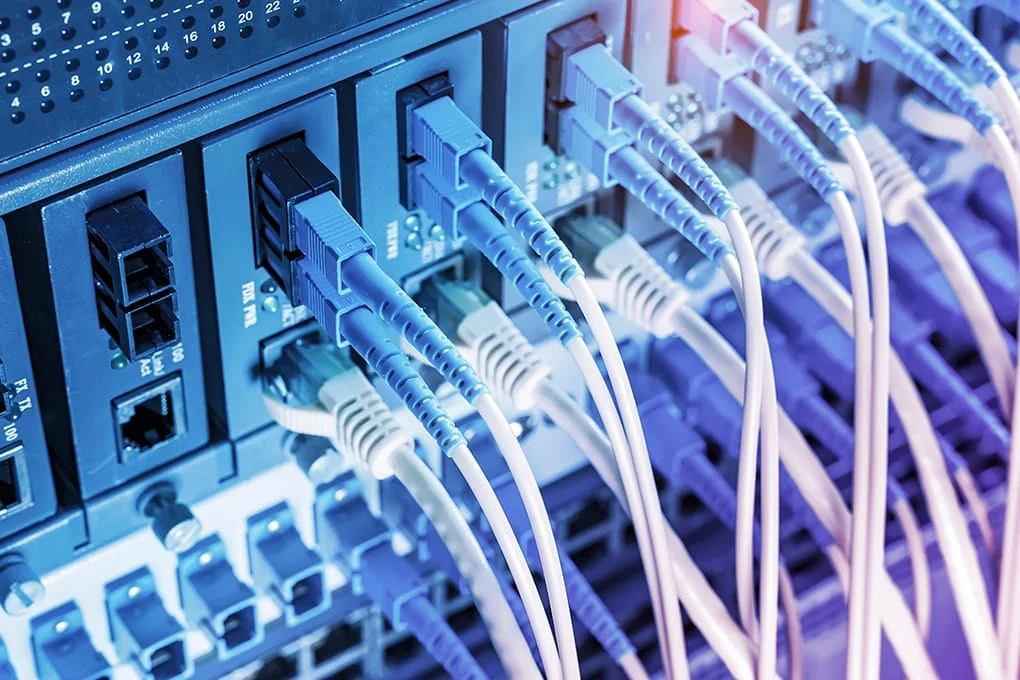
As a business grows, it asks more of its network. Hybrid work, cloud applications, bigger files, and more connected devices all add load. Without a plan, the cabling becomes a patchwork that's hard to manage, breaks often, and costs a lot to troubleshoot.
With structured cabling, you can add devices or move things around without tearing the office apart. Adding a conference room, new security cameras, or another server becomes a small job instead of a project.
Enhanced Network Performance and Reliability
A slow or flaky network costs you staff time and frustrates customers. Structured cabling uses quality cable and careful installation to keep speeds up and interference down. That means faster, more reliable connections for video calls, cloud applications, VoIP calls, and high-definition video streaming.
It's also more reliable, because there are fewer weak points. When something does go wrong, a clear layout means a technician can find the problem quickly instead of tracing cables by hand, so small problems don't grow into long outages.
That matters most in healthcare, finance, manufacturing, and retail, where even a short outage can stop work, cost revenue, or affect patient and customer safety.
Good cabling also cuts down on electromagnetic interference (EMI) by shielding and routing cables away from power lines and other sources of noise. That's especially important in crowded offices, industrial spaces, and older buildings with complicated wiring.
Simplified Management and Maintenance

Structured wiring follows standard rules, so equipment is placed logically and everything is labeled. Tracing a connection, finding a fault, or making a change is quick. With unmanaged cabling, every job starts with figuring out what's plugged into what.
That saves real money. IT teams spend less time chasing cables and more time on work that matters.
Cost-Effectiveness and Long-Term Value
Structured wiring costs more up front than adding cables as you go, but it usually costs less over the life of the building. Here's where the savings come from:
Reduced Maintenance Costs
- Structured wiring systems are designed to be organized and standardized, making them much easier to maintain.
- Technicians spend less time identifying, tracing, and repairing faulty connections.
- Clear labeling and logical layouts minimize errors during changes or upgrades, further reducing service costs.
Faster and Cheaper Upgrades
- Adding new devices or equipment is straightforward.
- No need for expensive rewiring projects each time you expand your network.
- Upgrades can be done one section at a time, without disrupting everything else.
Lower Downtime and Associated Losses
- Downtime can cost businesses thousands of dollars per hour in lost productivity and missed opportunities.
- Structured cabling’s reliability and ease of troubleshooting mean network issues can be resolved quickly, minimizing operational disruptions.
Longer Infrastructure Lifespan
- Structured cabling supports emerging technologies and higher bandwidth requirements.
- Instead of ripping everything out every few years, you upgrade parts as needed and keep the rest.
Energy Efficiency
- Tidy cabling improves airflow in server rooms and network closets, which cuts cooling costs.
- High-quality cables also reduce signal degradation, lowering power requirements for signal boosting.
Add it up and you get a faster network, fewer interruptions, lower IT costs, and an easier time adopting new technology.
Supporting Emerging Technologies
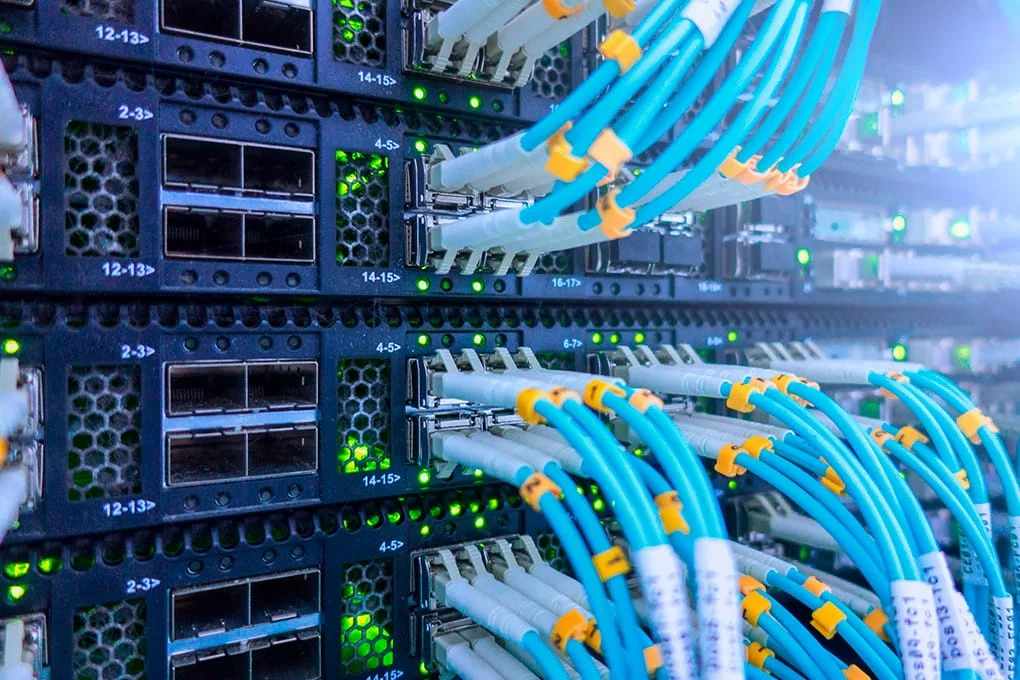
Good cabling should also handle what you'll add in the next ten years. Smart building systems, more connected devices, 5G, and heavier cloud use all push more data through the network.
Fiber optic structured cabling gives you far more bandwidth than you need today, so AI tools, video collaboration, and real-time data won't outgrow the network.
Security and Data Integrity
Wired connections are harder to tamper with than wireless ones, which can be reached from outside the building. With locked network closets and encryption on top, a wired network is a solid base for protecting sensitive data.
Consistent cabling also means fewer dropped packets and transmission errors, so data arrives intact.
Why Professional Installation Matters

Structured wiring needs to be designed and installed by people who do it for a living. They know how to route cable, avoid interference, meet the standards, and leave room for growth.
A bad install gives you slow connections, frequent failures, and higher costs for years. Doing it right the first time is almost always cheaper.
Revamp Your Infrastructure Wiring with Spot On Tech
See how that coordinated approach helped a real estate company standardize wiring, cameras, cloud systems, and local technology across more than 100 multifamily properties.
With Spot On Tech's Single Point of Tech™, the same team that handles your IT support and cybersecurity also plans and looks after your infrastructure wiring, so there's no separate cabling contractor to chase. Get in touch if your network closet needs attention.